













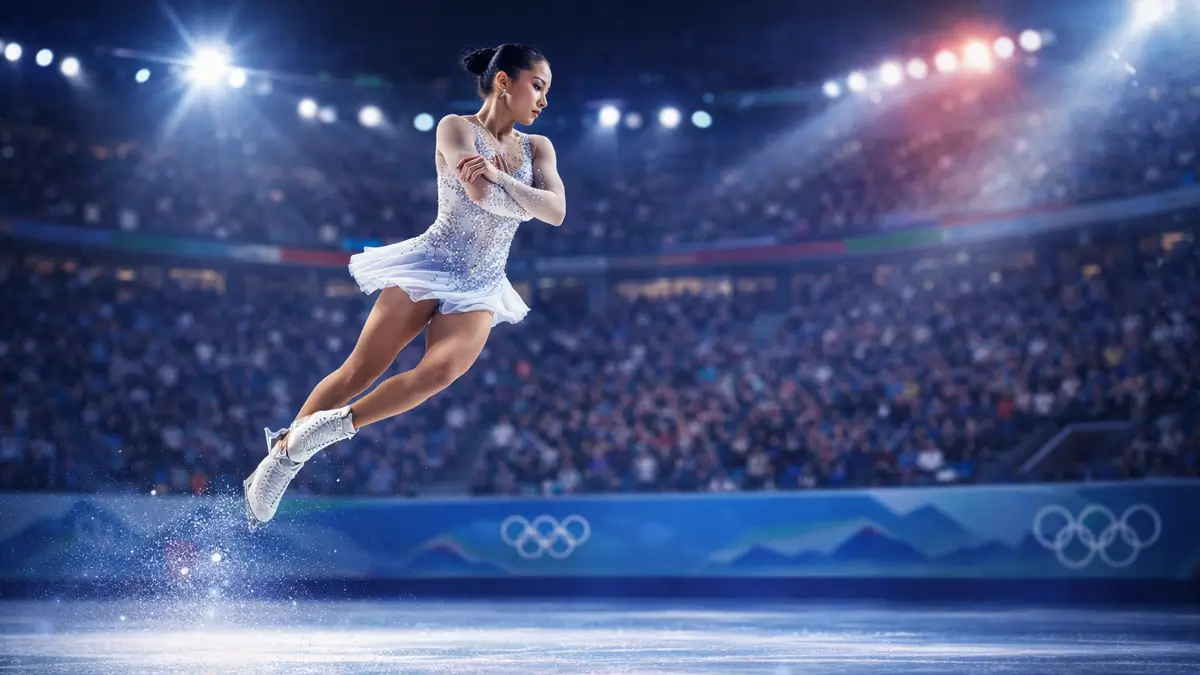
2026 Winter Olympics Women’s Single Skating Free Skating – Preview & Key Details
The women’s single skating free skating event at the 2026 Winter Olympics is likely to be one of the most exciting events at the Games. Each Olympic Games, the figure skating event grabs the attention of the world. Additionally, the free skating component of the event is often the deciding factor in the final medal results.
Host City and Venue | 2026 Winter Olympics women’s
The 2026 Milan-Cortina Winter Olympic Games are coming soon! Although multiple winter sport competitions will be hosted across different venues, figure skating will have its own world-class indoor venue in Milan that is built to be broadcasted internationally.
The women’s competition will comprise of short program and free skating segments; however, it is important to note that the free skate is weighted more heavily in terms of scoring than the short program, thus making it the deciding factor in which competitors make it onto the podium following their performance in each discipline.
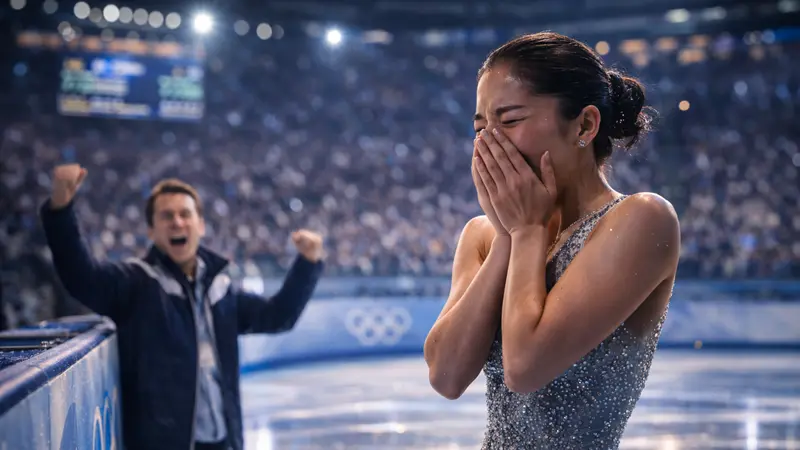
Competition Format Explained
First, skaters perform the short program. After that, they compete in the free skating segment. Judges then combine scores from both programs to determine final rankings.
Specifically, judges evaluate:
- Technical Element Score (TES)
- Program Component Score (PCS)
- Execution quality
- Artistic interpretation
Because the free skating routine lasts longer, athletes can attempt more complex elements. Therefore, this segment offers greater scoring opportunities. At the same time, mistakes can significantly impact medal chances.
Why the Free Skate Is So Crucial | 2026 Winter Olympics women’s
The 2026 Winter Olympics women’s single skating free skating event allows athletes to showcase both athletic skill and artistic expression. In recent years, technical difficulty has increased dramatically. For example, many skaters now attempt triple Axels and even quadruple jumps.
Furthermore, athletes must maintain balance between technical precision and musical performance. Although quads bring higher base value, judges also reward skating skills and choreography. Thus, the winning performance usually combines difficulty with elegance.
Medal Contenders and Global Competition
Typically, nations like Japan, South Korea, and the United States have always had the potential to produce strong candidates. However, the eligibility criteria may affect the level of participation from other traditional power nations.
However, the Olympic games have always had their share of surprises. For example, a candidate who performed poorly in the short program may still have a chance to win if their free program is perfect.
Qualification and Schedule
Athletes qualify for the Olympics through ISU World Championships and designated qualification events. Subsequently, national federations select their representatives based on rankings and performance.
Although the official schedule will be released closer to the Games, organizers typically hold the free skating event shortly after the short program. Therefore, athletes must quickly recover both physically and mentally between segments.
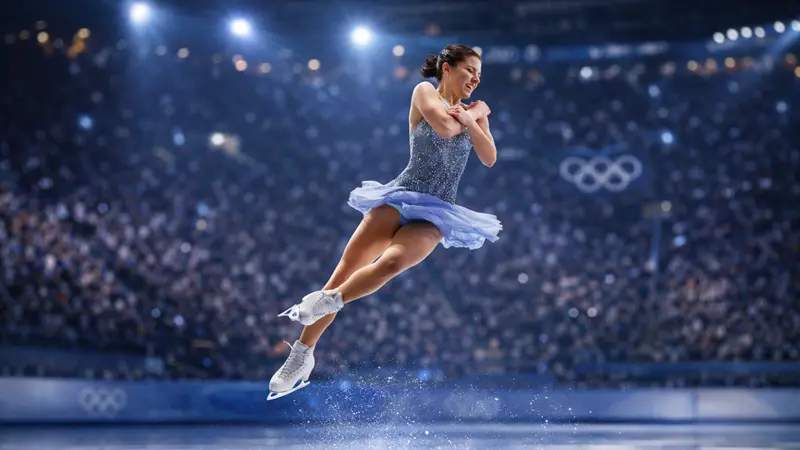
Technical Skill vs Artistic Performance
In the last ten years, there have been heated discussions about scoring balance. On the one hand, technical jumps raise the base value. On the other hand, artistry improves overall performance.
Therefore, it is necessary for skaters to plan their programs carefully in order to achieve maximum scores without compromising performance quality. At the same time, clean landings and consistency are still very important. A single fall can greatly change the outcome of medals.
Why This Event Matters Globally
The final of the women’s free skating program is always one of the most-watched Olympic events. It not only decides the medal positions but also helps in deciding the career paths of the athletes. Winning an Olympic gold medal is often a lifetime dream for many athletes.
In addition, a remarkable performance at the Olympics can have a significant impact on sponsorships and legacies. The pressure thus remains extremely high.
2026 Winter Olympics Women’s Single Skating Free Skate: Schedule, Format, and Medal Hopes
The women’s single skating free skating event at the 2026 Winter Olympics is already creating buzz worldwide. It is not only one of the most-watched events at the Winter Olympics but also the one that decides the Olympic champion in women’s figure skating. As the excitement for the Milan-Cortina 2026 Winter Olympics builds up, fans worldwide are eagerly following updates on the schedule, format, and medal prospects.
Women’s Single Skating at the 2026 Winter Olympics
Figure skating has always been one of the most popular events at the Winter Olympics. Furthermore, the women’s singles event has always provided the most memorable Olympic experiences. At the 2026 Winter Olympics, the competition will be divided into two parts: the short program and the free skate.
While the short program determines the initial standings, the free skating part of the competition is of much greater importance. Consequently, the final medal results will largely depend on the free skate.
Furthermore, the women’s competition is likely to showcase the most technically sophisticated performances at the Olympics. Consequently, the Milan-Cortina Olympics may see record-breaking performances.
Format: Short Program and Free Skate Explained
The women’s singles competition follows a two-part structure:
Short Program
First, skaters perform a routine that includes specific required elements. These elements typically include jumps, spins, and step sequences. Only the top 24 athletes from the short program advance to the free skate.
Free Skate
The free skating segment lasts around four minutes. Unlike the short program, skaters have more creative freedom in choreography and music selection. However, the technical difficulty is significantly higher.
Because the free skate has a larger base value, it often reshuffles the leaderboard. Consequently, even skaters who rank lower in the short program still have a chance to win a medal.
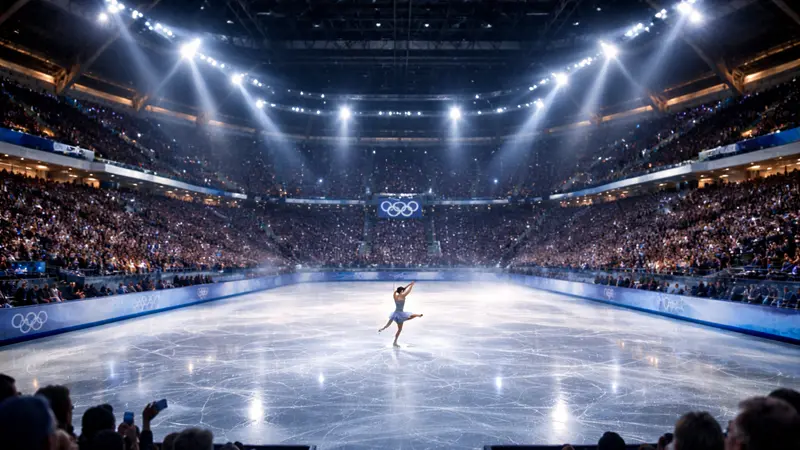
Scoring System and Judging Criteria | 2026 Winter Olympics women’s
The scoring system combines two main components:
- Technical Element Score (TES)
- Program Component Score (PCS)
The Technical Element Score evaluates jumps, spins, and step sequences. Meanwhile, the Program Component Score measures artistry, choreography, skating skills, and interpretation of music.
Therefore, success in the women’s free skate Olympics event requires both athletic strength and artistic excellence. Skaters must balance technical precision with emotional expression.
Technical Expectations for 2026
The level of difficulty in women’s single skating continues to rise. In recent Olympic cycles, triple Axels and quadruple jumps have become more common. For 2026, experts predict even more technical innovation.
For instance, athletes may attempt:
- Triple Axels in combination
- Multiple quadruple jumps
- Complex spin variations
- High-speed step sequences
As competition intensifies, consistency will become the deciding factor. Even one mistake in the free skate can change the medal outcome dramatically.
Schedule and Event Timeline
Although the official timetable will be finalized closer to the Games, the general format remains consistent. Typically:
- The short program takes place early in the figure skating schedule.
- The free skate follows one or two days later.
- The medal ceremony occurs shortly after the free skate concludes.
Because the free skate determines the final standings, it often attracts the largest global television audience. Consequently, the women’s singles free skate remains one of the most anticipated events of the Winter Olympics.
Global Interest in Women’s Olympic Skating
Interest in Olympic figure skating 2026 is increasing worldwide. Search trends indicate a high level of engagement from the European, Asian, and North American continents. Moreover, people are actively following the possible medal winners and qualification outcomes.
Women’s single skating remains a source of motivation for young athletes around the world. In addition, the Olympic stage provides an opportunity for athletes to demonstrate their hard work and dedication over the years.
With Milan-Cortina gearing up to host the Olympic Games, the level of excitement is gradually escalating. As a result, television networks and sports commentators predict record-breaking viewership for the women’s free skate event.
Why the Free Skate Is the Highlight
While the short program is important, the free skate often delivers the most dramatic moments. Because athletes push their technical limits, performances are both thrilling and emotional.
Historically, Olympic figure skating has produced legendary routines during the free skate segment. Moreover, comeback victories and unexpected medal wins frequently happen in this round.
For this reason, the 2026 Winter Olympics women’s single skating free skating event could become one of the defining highlights of the Milan–Cortina Games.
Alysa Liu Wins Historic Gold in Women’s Free Skate at 2026 Winter Olympics
The women’s figure skating free skate final at the 2026 Winter Olympics delivered drama, artistry, and history. In a stunning performance, Alysa Liu clinched the gold medal and ended a 24-year Olympic gold drought for the United States in women’s singles skating.
The electric atmosphere inside the arena reflected the magnitude of the moment. As Liu completed her routine, the crowd erupted in applause, recognizing a performance that blended technical precision with emotional expression.
Medal Results – Women’s Free Skate Final
- Gold: Alysa Liu (USA)
- Silver: Kaori Sakamoto (Japan)
- Bronze: Ami Nakai (Japan)
Liu’s total combined score secured her place at the top of the podium. Meanwhile, Japan showcased its skating strength with two athletes finishing in the medals.
A Historic Moment for Team USA
Notably, Liu became the first American woman to win Olympic gold in figure skating since 2002. Therefore, her victory marks a defining chapter in U.S. skating history.
In addition, experts praised her consistency under pressure. She executed difficult jumps cleanly and maintained artistic flow throughout the routine. Consequently, judges rewarded her with high component scores.
What Made the Free Skate Special?
The free skate segment determines the final Olympic rankings. Skaters combine their short program scores with the free skate results. As a result, even minor mistakes can dramatically shift podium positions.
However, Liu maintained composure and delivered when it mattered most. Furthermore, Sakamoto and Nakai pushed the competition to a high technical standard, making the final fiercely competitive.
Why This Event Trended Globally
The women’s free skate generated massive interest worldwide because:
- It featured Olympic history in the making
- It ended a long gold medal wait for the U.S.
- It highlighted Japan’s continued dominance in figure skating
Therefore, the event quickly gained traction across sports media platforms.
Final Outlook | 2026 Winter Olympics women’s
In conclusion, the women’s single skating free skating event at the 2026 Winter Olympics is expected to be a fiercely contested and emotionally charged competition. As the athletes continue to break the boundaries of what is possible, it is expected that innovation and artistry will be in abundance. Ultimately, the Olympic stage will again be home to a champion whose display is a combination of power, elegance, and precision.
FAQs | 2026 Winter Olympics women’s
1. When will the 2026 women’s free skating event take place?
The official schedule will be confirmed closer to the Games. However, it will occur during the Milan-Cortina Winter Olympics.
2. How is the winner decided? 2026 Winter Olympics women’s
Judges combine scores from both the short program and the free skating segment.
3. Can a skater win gold after trailing in the short program?
Yes. A strong free skate can significantly change the final standings.
4. What elements appear in free skating?
Skaters perform jumps, spins, step sequences, and choreographic elements.
5. Why is the free skate more important?
Because it carries greater scoring weight, it often determines the final medal positions.