









TRESP PG Members Gain Hands-on Training at ICAR–NRC on Pig
TRESP exposure visit ICAR NRC Pig Assam, Rani, Assam | March 17, 2026:
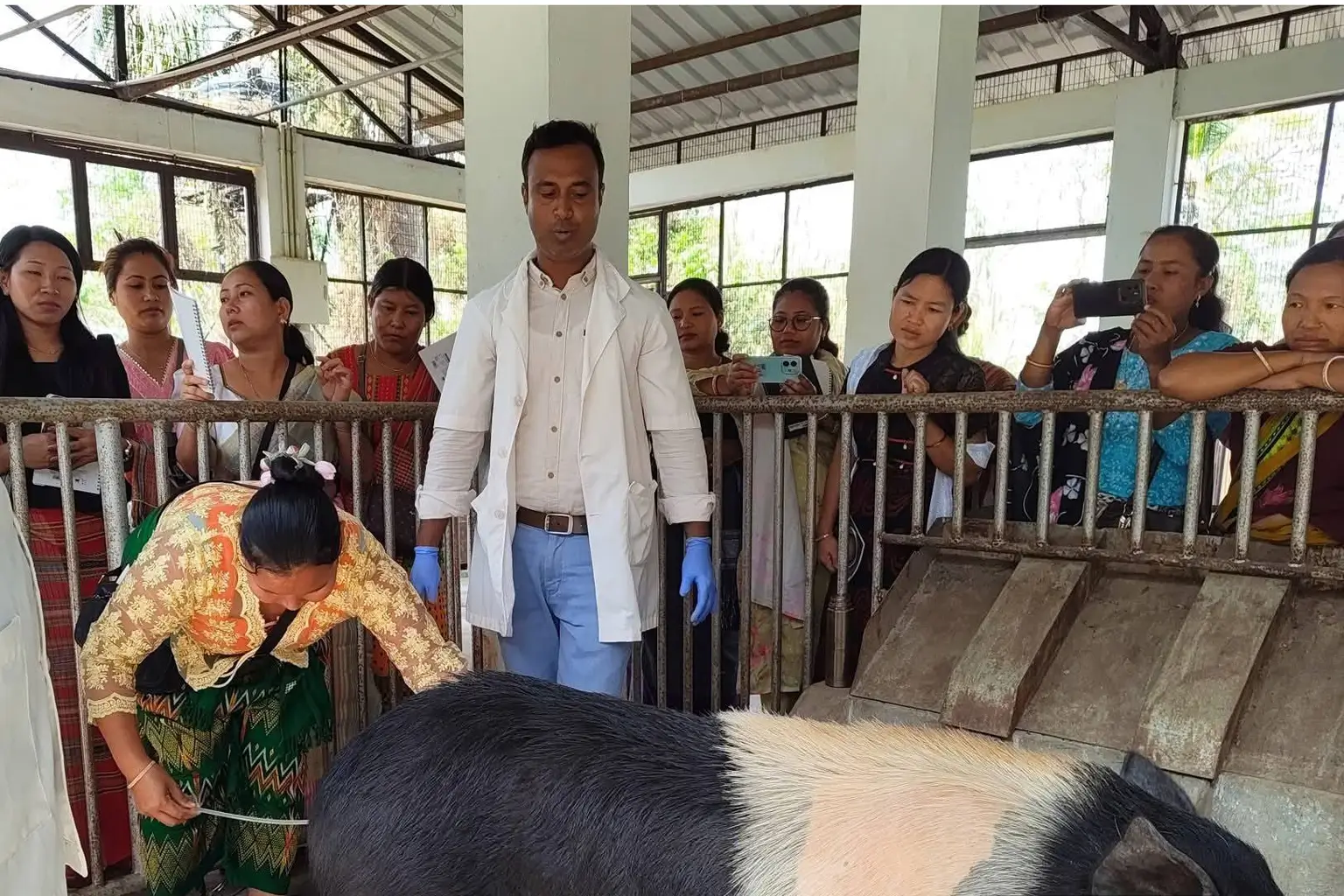
A two-day inter-state exposure visit by TRESP Producer Group (PG) members to ICAR–NRC on Pig, Rani, Assam, successfully concluded on March 17, 2026. During the visit, participants actively engaged in learning modern pig farming techniques. Moreover, they interacted directly with scientists and experts.
As a result, the program significantly enhanced their understanding of scientific piggery practices. In addition, it provided practical exposure that will help them improve productivity at the grassroots level.
Focus on Scientific Pig Farming Practices
On the final day, participants attended an engaging hands-on practical session conducted by experienced scientists. Notably, the session focused on key aspects of modern pig farming. Furthermore, it emphasized the importance of adopting scientific methods.
The major highlights included:
- Artificial insemination in pigs
- Understanding the pork value chain
- Farm record keeping and scientific farm management
Through these sessions, participants not only gained technical knowledge but also developed a deeper understanding of efficient farm operations. Consequently, they are now better equipped to adopt improved practices.
Boosting Livelihoods and Rural Development
The exposure visit was very instrumental in the lives of the farmers as they acquired practical knowledge and real-life insights. It also encouraged them to adopt environmentally friendly farming techniques that are also profitable.
Therefore, such programs are essential in the development of livelihoods and rural communities, which can boost the region’s agricultural sector.
Participants Return Inspired
All the TRESP PG members returned from the visit with lots of inspiration. The participants were confident of applying the knowledge they had acquired on their farms, as well as showing interest in the application of science.
Going forward, this is likely to improve productivity as well as their income, hence the development of the rural community.